



Fewer Donations, Unwavering Trust in the AFU, and Fears and Hopes Among Ukrainians

The full-scale war continues to shape not only Ukraine’s security landscape, but also public sentiment, emotional well-being, and perceptions of the future. Research company Gradus has conducted its annual survey of Ukrainians’ attitudes ahead of the fourth anniversary of Russia’s full-scale invasion of Ukraine. The findings show that despite fatigue and rising anxiety, the majority of Ukrainians maintain strong trust in the Armed Forces and associate long-term security with the country’s defense capacity.
Quality of Life: Growing Critical Assessments
Assessments of quality of life during the war indicate further deterioration. In June 2024, 65% of respondents described their quality of life as low; by February 2026, this figure had risen to 75%. The share of those rating their quality of life as average declined from 29% to 21%. These shifts reflect the cumulative impact of prolonged war on everyday life.
Donations: A Shift Toward Situational Support
The extended duration of the war and the financial strain on households have affected donation patterns. As of February 2026, 7% of respondents donate regularly, while 40% support volunteer or targeted fundraising initiatives from time to time. The share of those who never donate has increased from 9% to 14%. This points to a transformation in the model of giving — from systematic financial contributions to more situational support, a trend typical of long-term crises.
War Duration and Economic Concerns as Primary Sources of Anxiety
Uncertainty about the length of the war remains the dominant concern for Ukrainians, cited by more than 60% of respondents, a figure that has changed little over the past two years. Anxiety related to potential financial difficulties, general uncertainty, and the risk of losing property and savings due to the war has increased significantly.
Notably, the absence of basic living conditions — heating, electricity, and water — worries the same proportion of respondents (35%) as concerns about personal health. This indicates that fundamental living conditions have an impact on quality of life comparable to that of physical well-being.
Demand for an End to the War and Economic Recovery
The most anticipated and inspiring news for Ukrainians remains unchanged over the past two years: an end to the war in the near future (66%) and improvement in material well-being (40%).
More respondents this year express hope for economic development compared to 2024. Regarding foreign policy expectations, anticipation of EU membership remains stable, while disappointment in NATO has led to a decline in expectations from 22% to 17% over the past two years.
Post-War Security and Recovery: Reliance on Own Strength
The most effective post-war security guarantee, according to respondents, is a strong national army (33%). Security agreements with other countries, new defense alliances, and NATO membership receive considerably less trust compared to confidence in the experience and resilience of the Armed Forces of Ukraine.
Among the top priorities for post-war recovery, respondents highlight the restoration of critical infrastructure, rebuilding housing destroyed by the aggressor, reform of the judicial system, and anti-corruption efforts. This demonstrates that Ukrainians expect not only physical reconstruction, but also meaningful institutional changes that confirm the country’s European trajectory.
“Public sentiment in Ukraine today is shaped by more than fatigue from the war. We observe greater realism in assessments and fewer illusions, while a core internal pillar remains — belief in the country’s ability to endure and rebuild. Ukrainians increasingly rely on their own experience, the strength of the army, and gradual systemic change rather than rapid or externally driven solutions. This reflects the emergence of a more mature, resilient, and strategic public mindset,” says Evgeniya Blyznyuk, sociologist, Founder and CEO of Gradus.
The full research report is available for download via the form below.
The study was conducted by Gradus using a self-administered questionnaire via the Gradus mobile application. The target audience included men and women aged 18–60 living in Ukrainian cities with populations over 50,000, excluding temporarily occupied territories and areas of active hostilities. Fieldwork was carried out on February 13–16, 2026. The sample size was 1,000 respondents.
Other reports
-
 85% of Ukrainians use AI, but only 6% pay for itApril 2026Special survey for Forbes AI Day 2026
 -
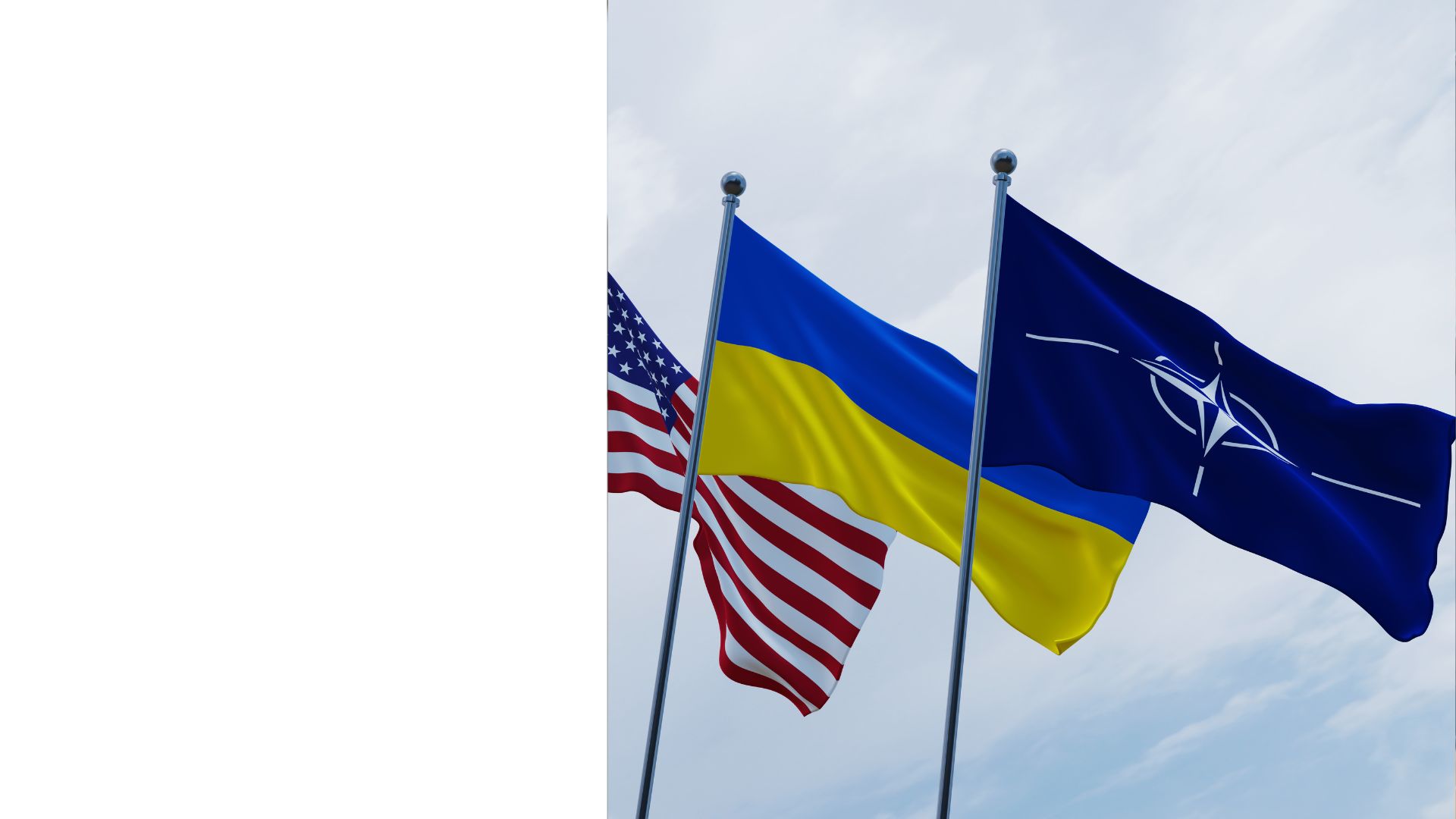 Friendly and unfriendly countries, attitudes toward the EU, NATO, and the UNMarch 2026How the map of friendly and unfriendly countries has changed over the past year, and attitudes toward the EU, NATO, and the UN
 -
 Perception of advertising during wartimeMarch 2026Advertising during wartime: where Ukrainians see it, what annoys them, and what makes them pay attention
 -
 Fewer Donations, Unwavering Trust in the AFU, and Fears and Hopes Among UkrainiansFebruary 2026Special survey on the fourth anniversary of the full-scale invasion