



Friendly and unfriendly countries, attitudes toward the EU, NATO, and the UN

Ukrainian society continues to reassess global alliances and the geopolitical roles of countries amid the prolonged war. A Gradus survey shows that while Ukrainians’ map of sympathies and antipathies remains relatively stable, notable shifts are taking place within it. Some traditional allies maintain a high level of trust, while others are increasingly met with skepticism.
European allies remain the core of the “friendly coalition”
Among the countries most often named as friendly, European partners continue to dominate. In 2026, the top five included the United Kingdom, Germany, the Baltic states, France, and Poland.
Despite the overall stability of this list, attitudes toward some of these countries have become more restrained compared to the early years of the full-scale invasion. This suggests a shift in perception — from emotional gratitude toward a more measured assessment of each country’s role in supporting Ukraine.
At the same time, some countries are seeing improved perceptions. The most notable case is the United States, where the share of respondents who consider it friendly more than doubled — from 13% to 29%. Against the backdrop of changes in the global political context and following a period of uncertainty at the beginning of a new political cycle in the U.S., Ukrainians are increasingly returning the country to the circle of key allies. However, trust in the U.S. has not yet reached the levels seen at the start of the full-scale war, indicating a degree of caution in public sentiment.
“Unfriendly” countries: the anti-ranking remains largely unchanged
In Ukrainians’ perceptions, the list of unfriendly countries remains relatively stable. Over the past year, the anti-ranking for most of these countries has slightly increased. Notably, the share of respondents who consider India unfriendly toward Ukraine rose from 10% to 21%.
At the same time, negative attitudes toward the United States have significantly declined — from 30% to 13% — further reinforcing the broader trend of reassessing its role.
Re-evaluating global institutions
A distinct dynamic can be observed in attitudes toward international organizations. The European Union continues to receive the most positive evaluations, although the share of favorable opinions has slightly decreased compared to 2024.
In the case of NATO, public opinion remains generally positive but more polarized: 38% of respondents express positive views, while 37% hold negative ones.
The most challenging reputational situation is observed for the United Nations: only 23% of respondents view it positively, while 54% express negative attitudes. This represents one of the highest levels of distrust among international institutions and reflects disappointment in the effectiveness of global security mechanisms.
Sociologist, Founder and CEO of Gradus, Evgeniya Blyznyuk, explains that Ukrainians are gradually shifting from an emotional perception of international politics to a more pragmatic analysis:
“Over the years of the full-scale war, Ukrainian society has developed a fairly clear map of international roles. It includes a stable core of countries perceived as allies, as well as a group of states associated with support for Russia or a distanced stance toward the war. At the same time, we observe a gradual rationalization of evaluations: people are paying closer attention to specific political decisions, levels of support, and concrete actions. This is why some indicators are changing—even in relation to traditional partners.”
Overall, the findings indicate that Ukrainians are becoming more precise in distinguishing the geopolitical roles of countries and are demonstrating a more critical attitude toward international institutions from which they expected security guarantees.
The survey was conducted by Gradus using a self-administered survey via the Gradus mobile application. The target audience included men and women aged 18–60 living in Ukrainian cities with populations of over 50,000, excluding temporarily occupied territories and active combat zones. Fieldwork was carried out on February 13–16, 2026. The sample size was 1,000 respondents.
Other reports
-
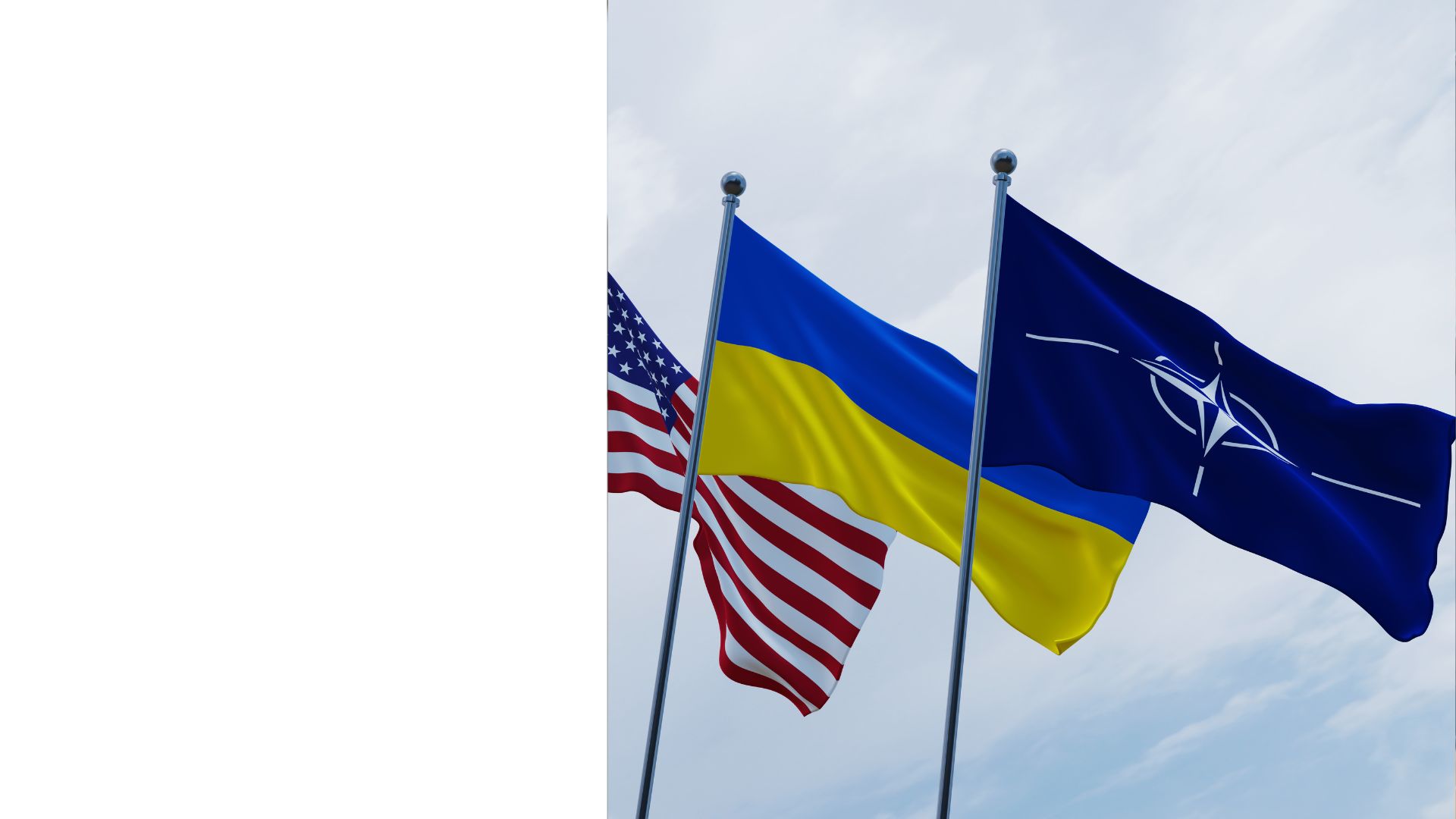 Friendly and unfriendly countries, attitudes toward the EU, NATO, and the UNMarch 2026How the map of friendly and unfriendly countries has changed over the past year, and attitudes toward the EU, NATO, and the UN
 -
 Perception of advertising during wartimeMarch 2026Advertising during wartime: where Ukrainians see it, what annoys them, and what makes them pay attention
 -
 Fewer Donations, Unwavering Trust in the AFU, and Fears and Hopes Among UkrainiansFebruary 2026Special survey on the fourth anniversary of the full-scale invasion
 -
 How Perceptions of Relationships, Sex, and Valentine’s Day Are ChangingFebruary 2026Special survey for Valentine's Day